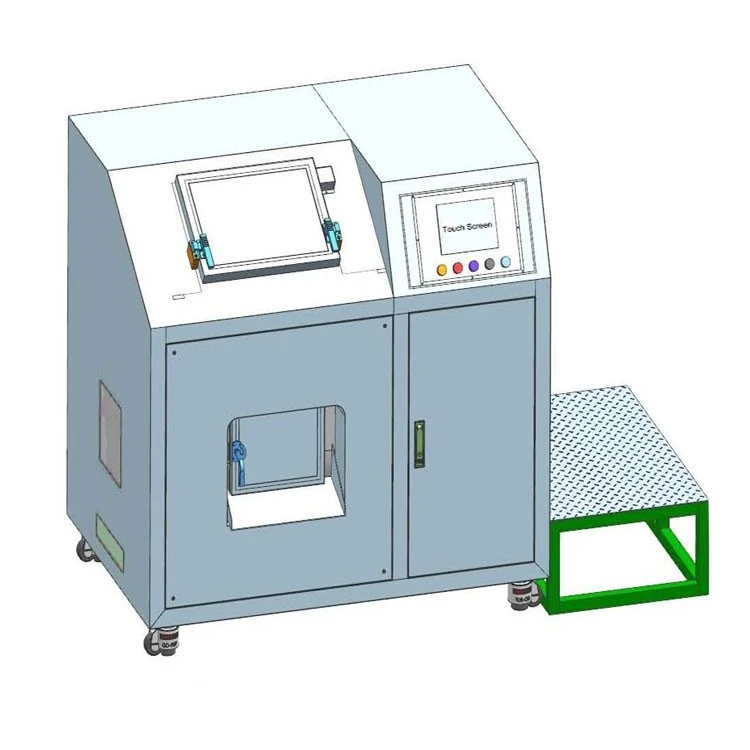

Product Overview
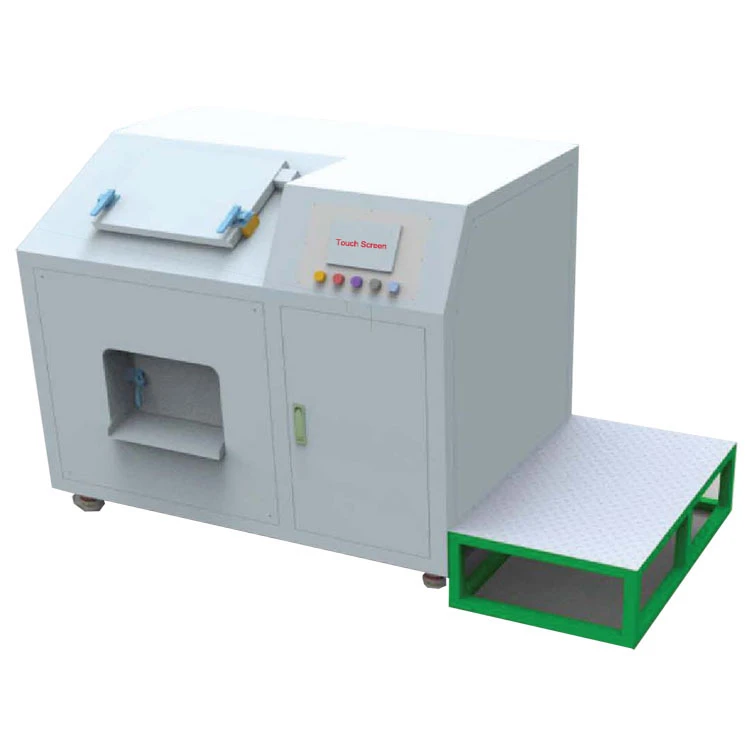
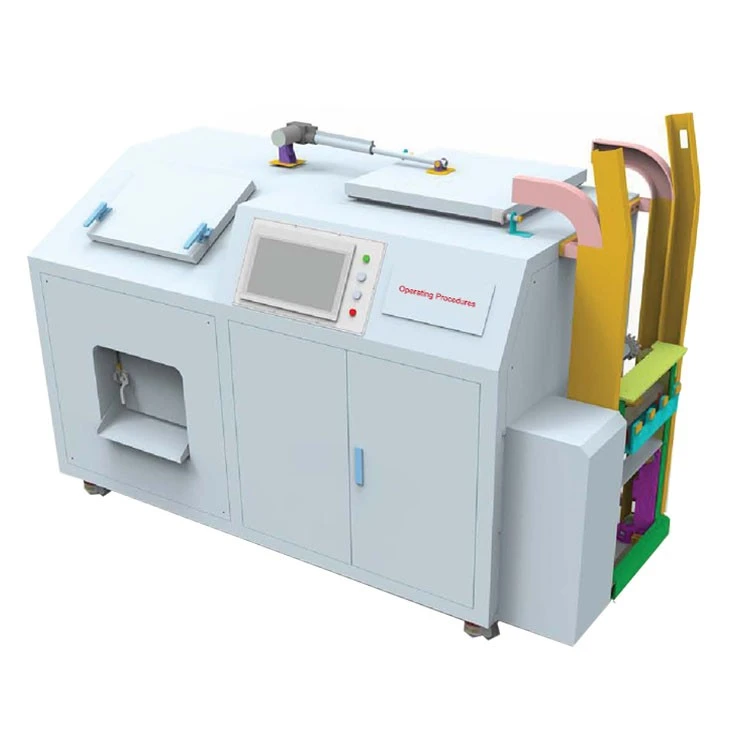
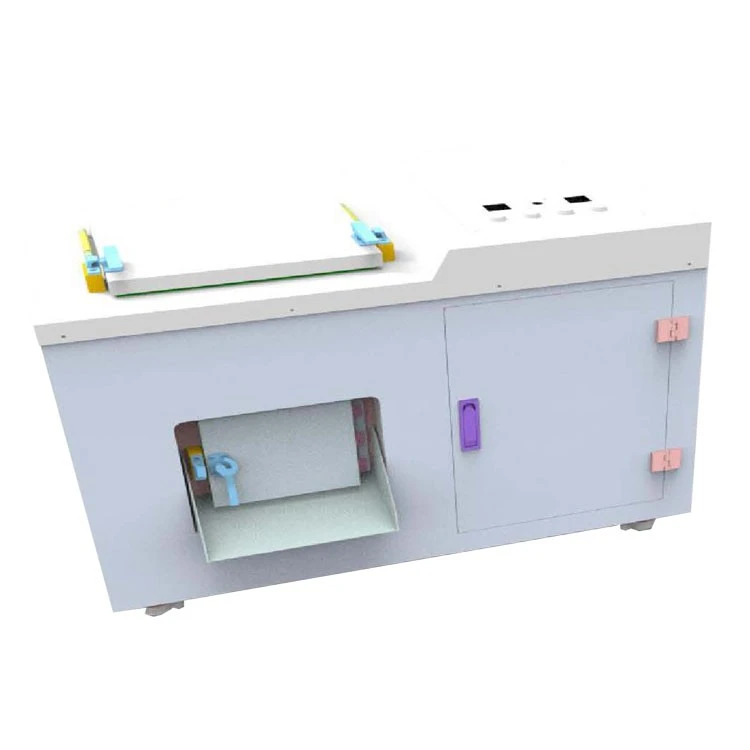
The Commercial Food Waste Composting Machine is designed for on-site treatment of kitchen and organic food waste from restaurants, hotels, canteens, catering facilities, supermarkets, and other commercial operations. It combines waste feeding, aerobic biochemical treatment, high-temperature fermentation, odor control, and intelligent operation to reduce the amount of organic waste requiring off-site disposal and convert the treated material into an organic fertilizer feedstock. The system is available in different daily processing capacities for small commercial kitchens and larger food-waste treatment applications.
Technical Specifications
|
Parameter |
Specification |
|
Daily capacity |
50–300 kg/day |
|
Waste reduction rate |
≥85% |
|
Processing technology |
High-temperature aerobic fermentation |
|
Typical processing time |
Approx. 24 hours |
|
Installed power |
7–15 kW |
|
Power supply |
380 V, 50 Hz |
|
Ambient temperature |
0–45°C |
Main Processing Stages
Feeding & Weighing – Food waste is loaded into the feeding system; weighing can record the daily treatment quantity.
Pre-treatment – Oversized or unsuitable inorganic materials are removed before biological processing.
Crushing & Mixing – Organic waste is reduced in size and mixed to improve contact with microorganisms.
Aerobic Fermentation – Controlled heating, oxygen supply and agitation accelerate microbial decomposition.

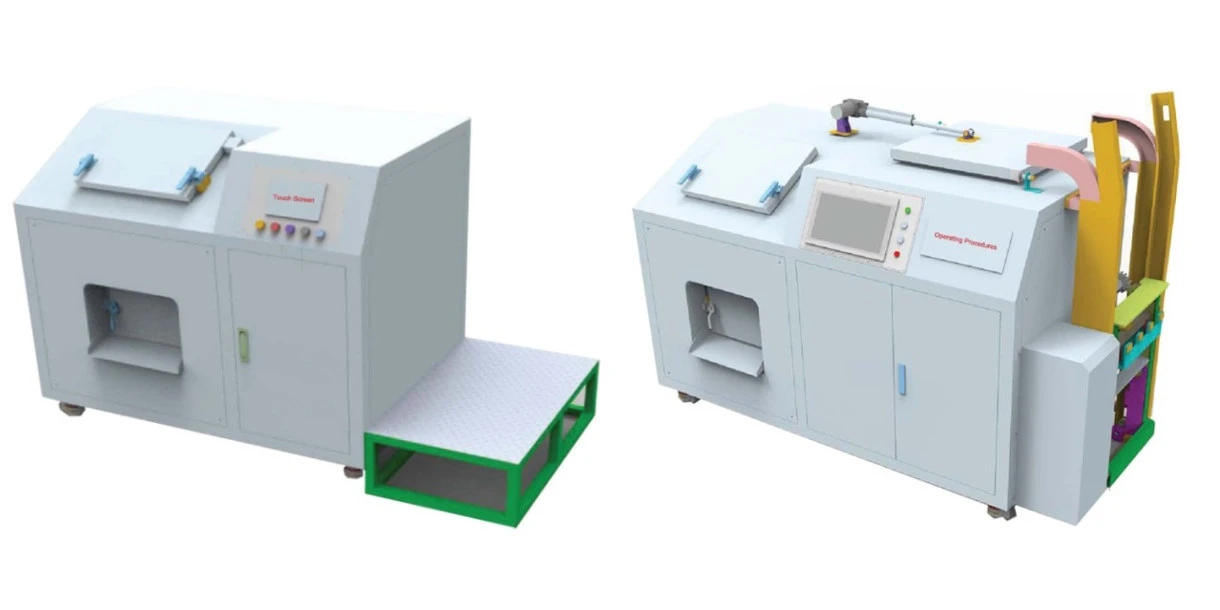
High-Temperature Treatment – The biological process operates at elevated temperatures to support hygienic treatment.
Odor Treatment – Exhaust air passes through the deodorization system before discharge.
Output Discharge – The processed organic material is discharged for subsequent fertilizer use or further maturation, subject to the intended application.
Waste Types
Suitable feedstock generally includes commercial kitchen and organic food waste, such as:
- Cooked and uncooked food residues
- Fruit and vegetable waste
- Grains and other food scraps
- Meat, fish and poultry residues
- Eggshells and similar organic materials
Plastic packaging, metal, glass, stones and other non-organic contaminants should be removed before biological processing. Feedstock composition directly affects moisture balance, treatment efficiency and final output quality.
equipment models
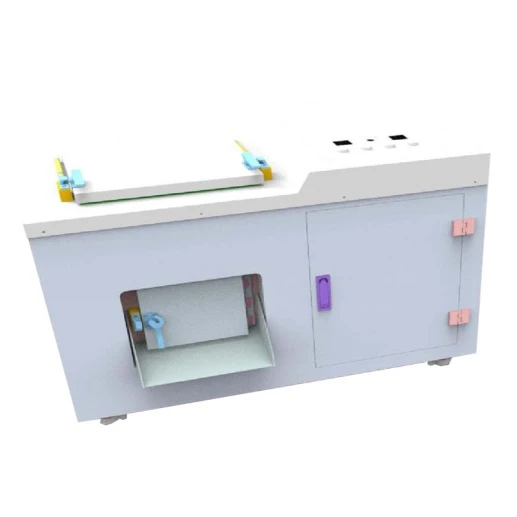
Daily processing capacity: 50KG
Installed power: 7KW
Dimensions: 1.2X0.8X1m
Daily power consumption: 8-12 kWh
Annual inoculum cost: 29.20-58.40USD
Room height: >2.2m
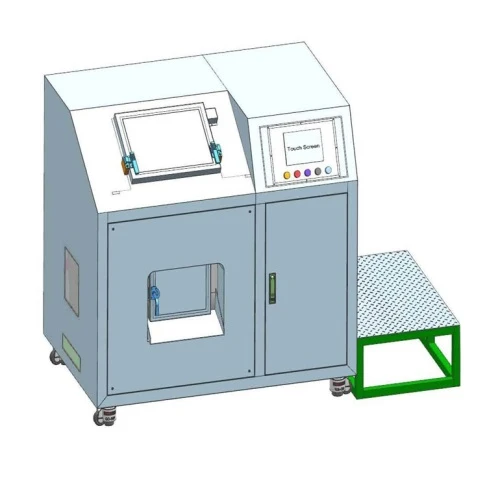
Daily processing capacity: 100KG
Installed power: 10KW
Dimensions: 1.6X1.1X1.4 meters
Daily power consumption: 10-20 kWh
Annual inoculum cost: 58.40-87.60USD
Room height: >2.2 meters

Daily processing capacity: 200KG
Installed power: 12KW
Dimensions: 2.5X1.2X1.8 meters
Daily power consumption: 20-30 kWh
Annual inoculum cost: 146.00-176.00USD
Room height: >3 meters

Daily processing capacity: 300KG
Installed power: 15KW
Dimensions: 2.7X1.2X1.8 meters
Daily power consumption: 30-40 kWh
Annual inoculum cost: 176.00-233.60 USD
Room height: >3 meters
Processing Capacity
The equipment is configured according to the customer's actual daily food-waste generation. Typical capacity ranges include:
50–300 kg/day: restaurants, small canteens and commercial kitchens
0.5–5 t/day: hotels, food-service groups, institutional kitchens and centralized facilities
Installation Requirements

- Suitable power supply.
- Sufficient floor area and equipment access for operation and maintenance.
- Adequate room height for feeding and lifting equipment where applicable.

- Suitable ventilation and exhaust routing.
- Drainage provisions where wet pre-treatment or liquid separation is included.
- Safe access for waste loading and treated-material removal.
Operation & Maintenance
The machine is designed for automated daily operation through an intelligent control system. Operators should:

- Remove non-organic contaminants before feeding.
- Avoid exceeding the rated daily capacity.
- Maintain the recommended feedstock balance and moisture conditions.
- Inspect the fermentation chamber, mixing components and discharge area regularly.

- Clean waste-contact areas and maintain drainage and odor-control components.
- Check electrical, heating, ventilation and safety systems according to the maintenance schedule.
- Replenish microbial inoculant according to the operating condition and process requirements.
Correct feeding and routine cleaning are essential for maintaining stable processing performance and controlling odor.
FAQ
Hot Tags: commercial food waste composting machine, China commercial food waste composting machine manufacturers, suppliers, factory, catering stainless steel sink, commercial kitchen cooking equipment, commercial kitchen equipment, commercial kitchen smallwares, culinary equipment and supplies, stainless steel commercial kitchen equipment