Sauce Bottle Filling Machine
Introduction
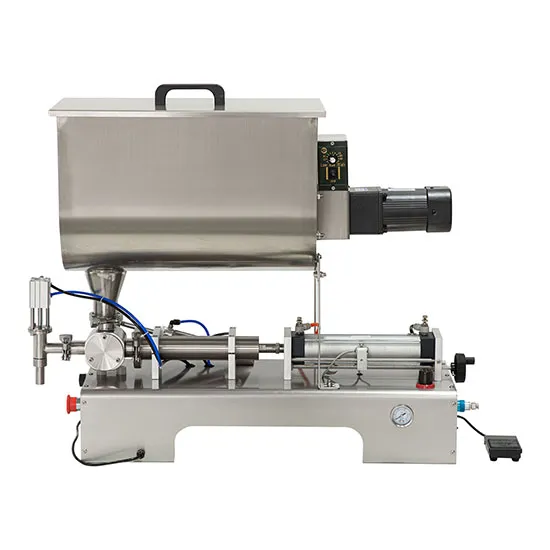
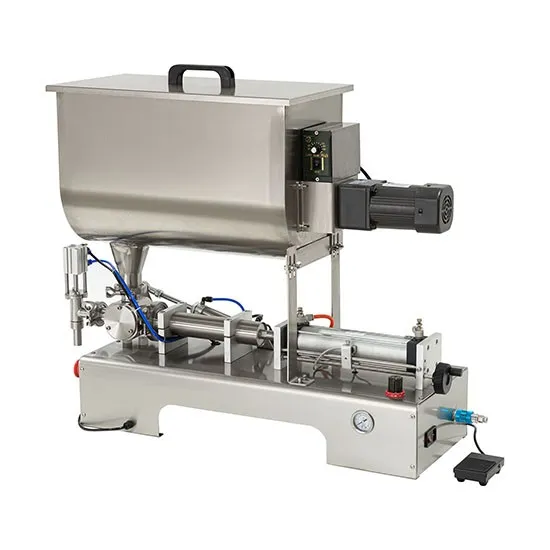
The Sauce Bottle Filling Machine is a benchtop, semi-automatic pneumatic volumetric piston filler designed for dosing food pastes, viscous sauces, and liquids into bottles and containers.
Built for small-to-medium batch food processing plants, commercial kitchens, central catering hubs, and regional sauce production facilities, this machine provides targeted, flexible container dosing across diverse food packaging setups.
Parameters
|
No. |
Item |
Spec |
|
1 |
Filling capacity |
10-100ml, 30-300ml, 50-500ml, 100-1000ml, 300-2500ml, 1000-5000ml |
|
2 |
Power supply |
220V/50HZ or other to be customized |
|
3 |
Filling accuracy |
≤ ±0.5% |
|
4 |
Filling speed |
1-25 bottles/min |
|
5 |
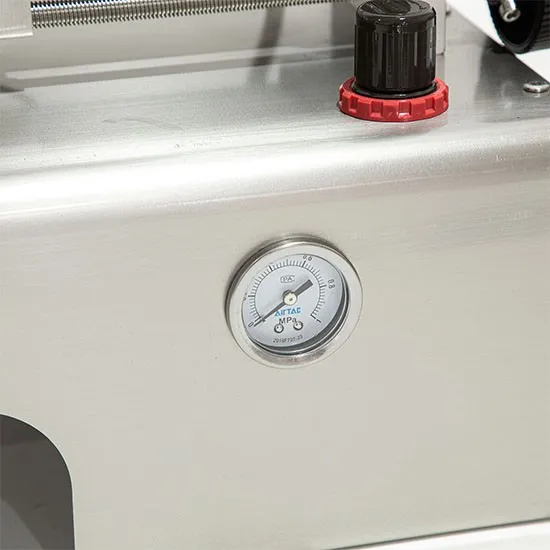
Air pressure |
0.4-0.9MPa |
|
6 |
Power |
50W |
|
7 |
Overall size |
1100*300*900mm |
|
8 |
Machine body material |
Stainless steel 304 |
Sauce Compatibility
Sauce Types: Processes soft-particulate food pastes (beef sauce, fresh chili sauce with seeds/flakes, broad bean paste, fermented black beans), oil-rich pastes (red oil and beef tallow hot pot bases), and uniform high-viscosity emulsions (peanut butter, sesame paste, ketchup, salad dressing, jam, apple sauce).
Viscosity Range: Designed for non-Newtonian viscous liquids and food pastes capable of gravity-assisted flow or pressure feeding from an overhead hopper; thick non-flowing solid pastes require trial testing before selection.
Particle Size: Rotary valve internal passages allow passage of soft particulate matter, chili flakes, and small diced ingredients; maximum acceptable particle size depends on valve bore clearance.
Product Temperature: Operating temperature capability depends on installed seal options, with standard food-grade seals supporting ambient up to 80°C filling temperatures across product-contact components.
Filling Accuracy
Filling Volume Range: Interchangeable volumetric cylinder modules are available in discrete capacity ranges: 10–100 ml, 30–300 ml, 50–500 ml, 100–1000 ml, 300–2500 ml, and 1000–5000 ml.
Design Accuracy Target: Engineering specification targets a volumetric deviation within ≤ ±0.5% under stable hopper head pressure using uniform liquid test media.
Application Accuracy: Actual dosing tolerance varies depending on fluid aeration, batch viscosity variations, temperature fluctuations, and particulate distribution.
Hygienic Design
Contact Materials: Product contact components are manufactured from 304 stainless steel (316L material available upon project request).
Surface Finish: Internal fluid contact paths undergo mechanical polishing to achieve a smooth finish that helps reduce material buildup.
Seal Materials: Fitted with food-grade silicone or Fluororubber (FKM) O-rings suited for edible vegetable oils, animal fats, and mild food acids.
Tri-Clamp Connections: Internal fluid pathways use quick-release tri-clamp fittings rather than interior threaded joints to facilitate inspection access.
Raw Material Documentation: Standard raw material Mill Test Certificates (MTC) verifying stainless steel grade composition can be provided upon request.
Line Integration
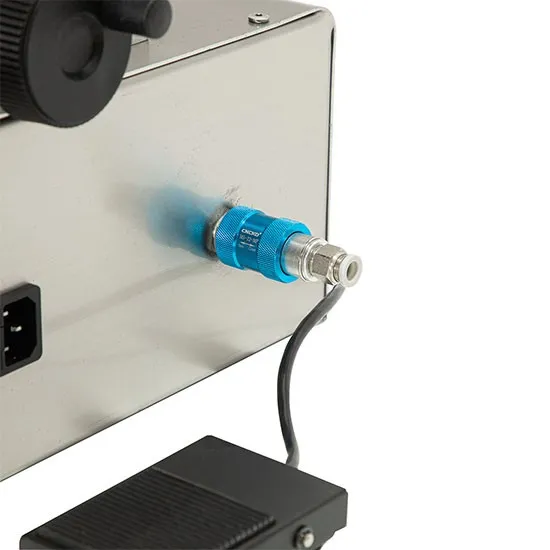
Standard Configuration: The standard machine operates strictly as a standalone benchtop unit featuring manual container placement with dual actuation modes (foot-pedal switch or continuous pneumatic cycling).
Upstream Integration: Receives product via gravity feed from the standard top-mounted conical hopper or connected overhead transfer tanks.
Downstream Integration: Positioned as a standalone dosing step upstream of manual or semi-automatic benchtop capping, induction sealing, and labeling equipment.
Optional Automation Upgrades: Signal output interface switches and conveyor mounting frames can be requested as optional custom upgrades for line synchronization.
Performance Testing
Dry Factory Testing: Every production unit undergoes dry pneumatic cycling testing to verify air cylinder movement, solenoid response, seal tightness, and switch timing before packing.
Water & Oil Calibration: Volumetric displacement stroke mechanisms undergo factory verification using clean water or standard test oil media under constant head pressure.
Factory Acceptance Protocol (FAT): Pre-shipment FAT verification includes mechanical dimensional checks, pneumatic pressure holding tests, electrical control checks, and dry-cycling runs.
Test Documentation: Pre-shipment inspection checklists, operating manuals, and video documentation of factory test runs can be provided upon request.
FAQ
1. When should I move up to an automatic filling line?
Step up when daily output exceeds about 5,000-8,000 bottles or when labor on filling exceeds two operators per shift. Below that, a semi-automatic benchtop unit usually has the lower cost per bottle.
2. How do I choose the right cylinder size for my bottle?
Pick a cylinder whose range puts your target fill between 30% and 90% of its maximum.
3. What accuracy can I expect for thick or chunky sauces?
Smooth sauces such as ketchup or sesame paste typically hold within ±0.5-1% by weight. Sauces with chili flakes or diced pieces are closer to ±1-2%, so set the fill weight 1-2% above the label to stay compliant.
4. Does the machine fill hot sauce?
Yes, up to 80°C, and filling at 60-70°C is common for jam and chili oil because viscosity falls 40-60% and fill speed rises. Do not exceed 80°C with standard seals; above that, specify high-temperature FKM or PTFE seals.
5. How do I stop oil from separating in red oil or beef tallow bases?
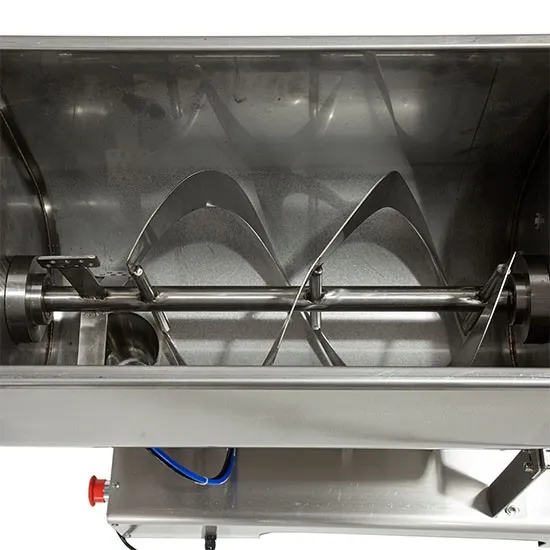
Keep the product at 50-60°C and use a jacketed or agitated hopper, because separation leads to oil-heavy first fills and dry-paste last fills.
6. What compressed air supply does it need?
Typically 0.5-0.7 MPa and 100-200 L/min for the standard models, with a filter-regulator-lubricator or oil-free air for food contact.
7. Which seals should I choose for oil, vinegar, or high-acid sauces?
Silicone suits water-based and mild acid sauces, and FKM suits oil, tallow, and pH 3-4 sauces. Replace seals every 6-12 months, or sooner if they swell or harden.
8. What spare parts should I order with the first machine?
Keep one set of O-rings and piston seals, one tri-clamp gasket set, and one solenoid valve on hand.
Hot Tags: sauce bottle filling machine, China sauce bottle filling machine manufacturers, suppliers, factory, cartoning equipment, commercial packing machine, high speed packing machine, package supplies equipment, packing, tablet packing machine